

ART
art
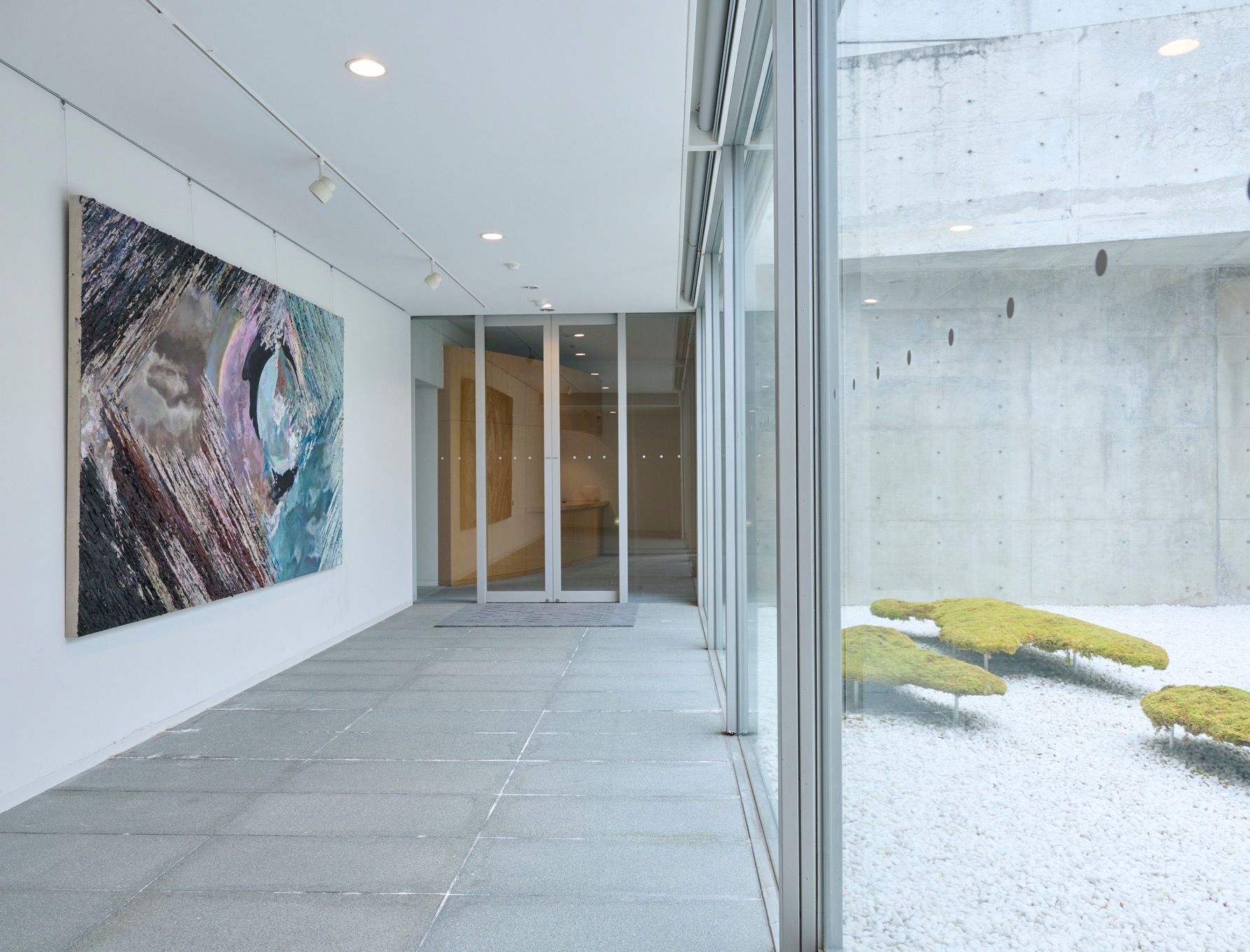
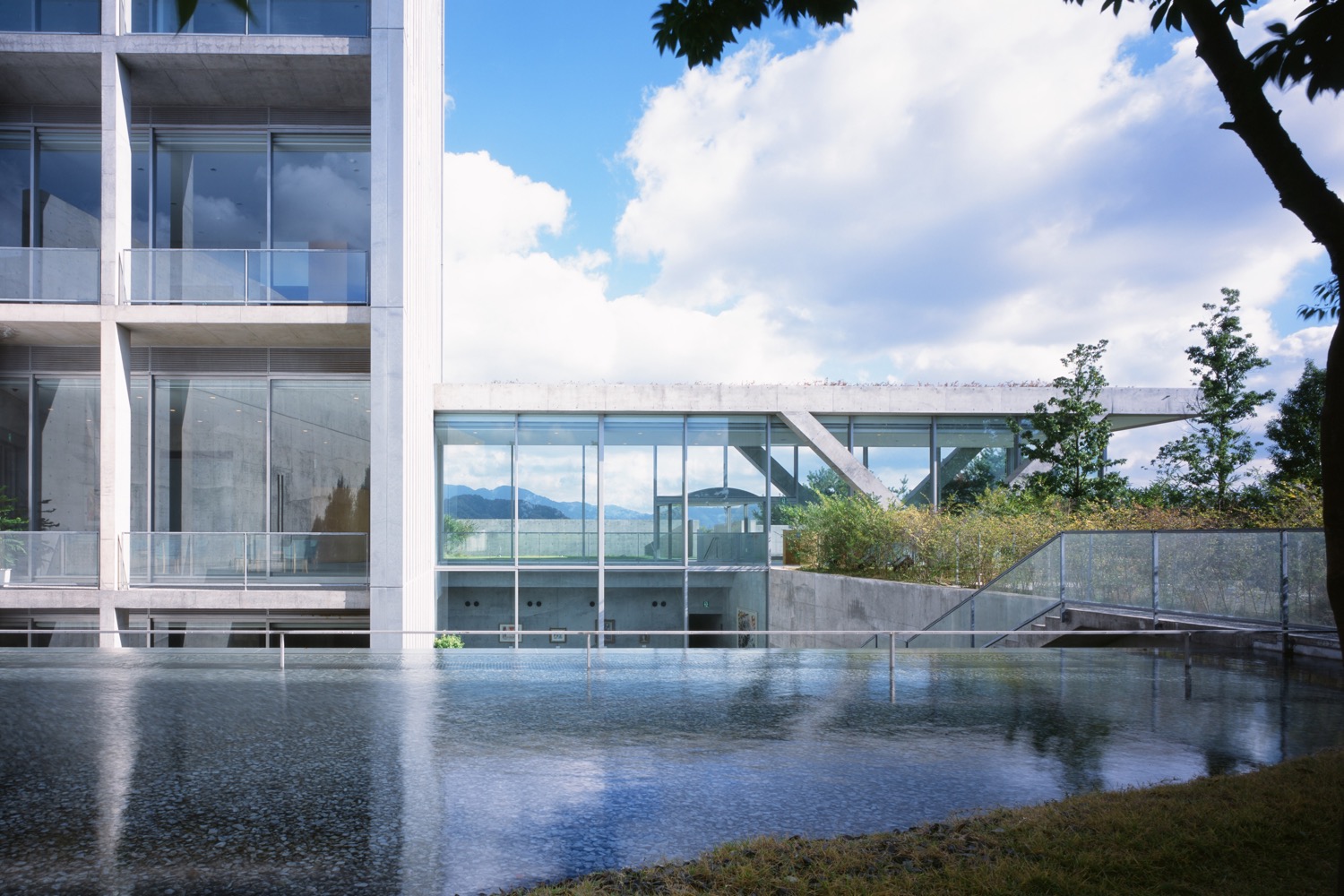
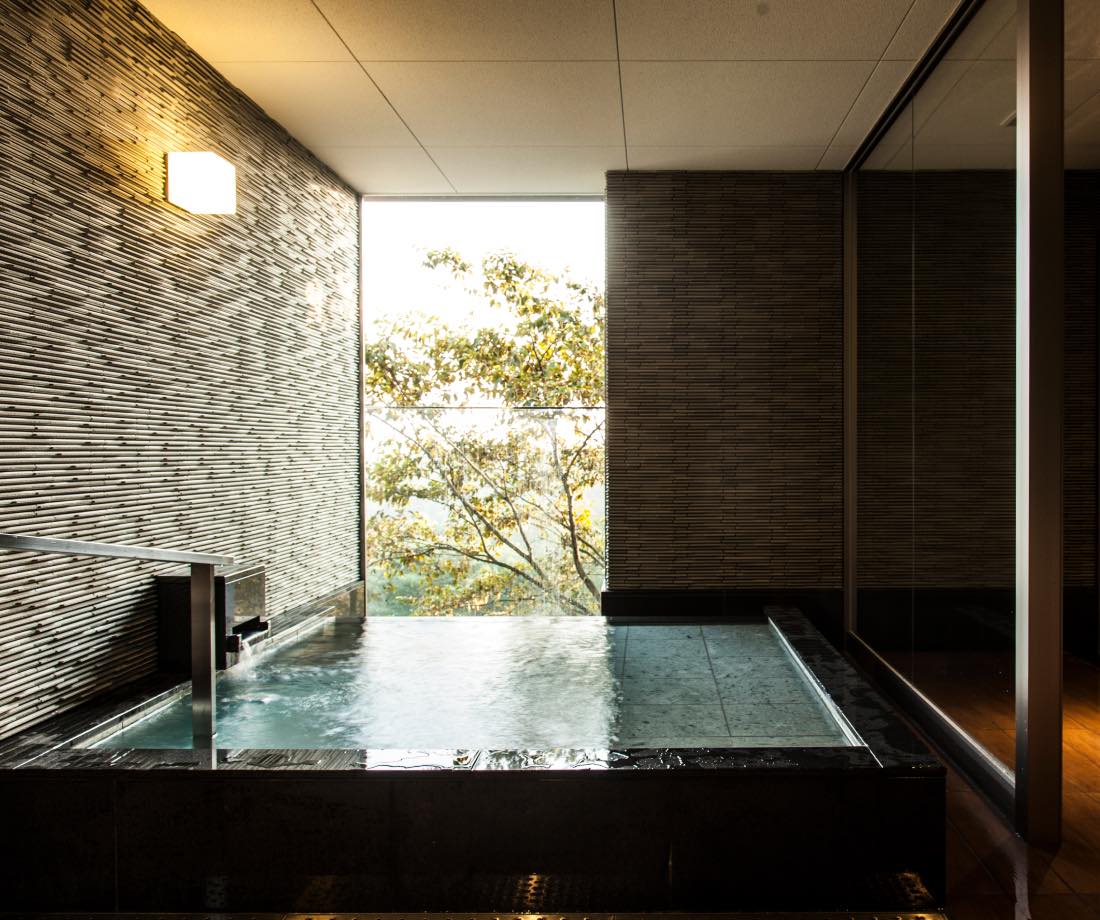
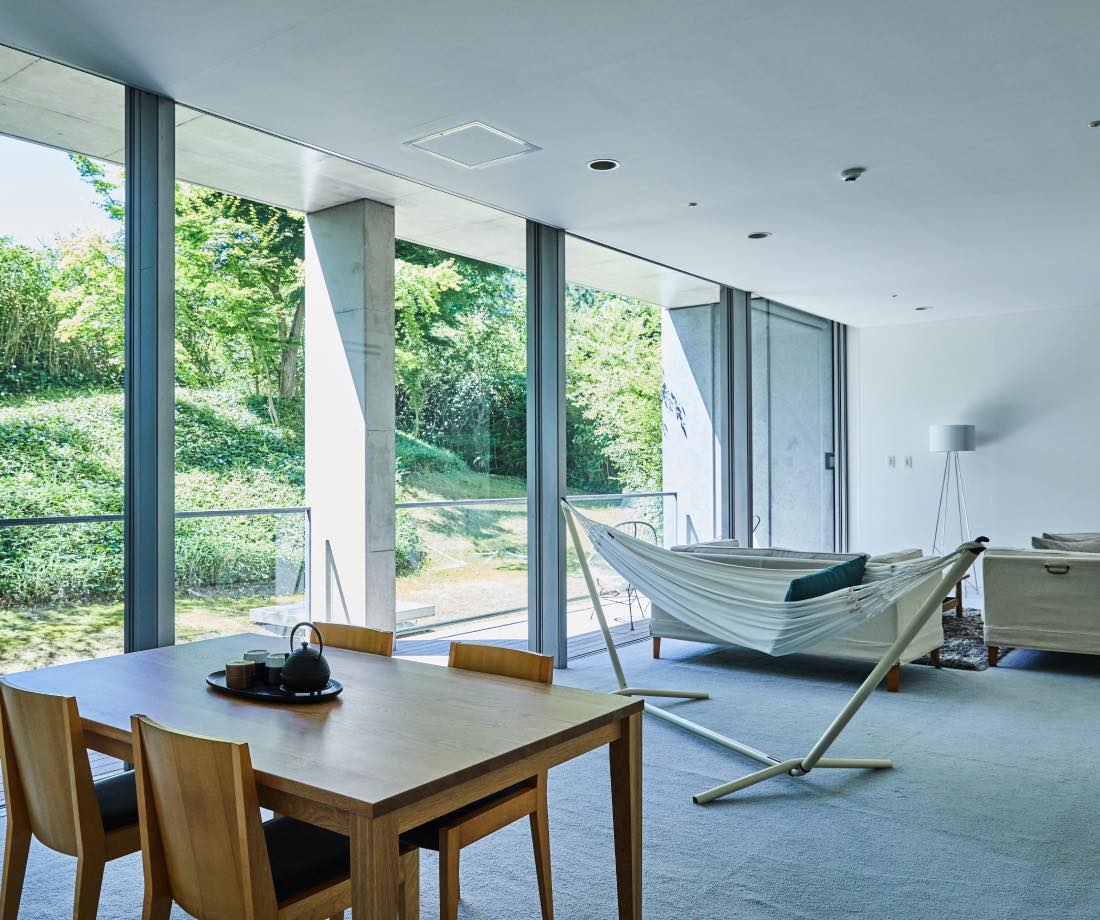
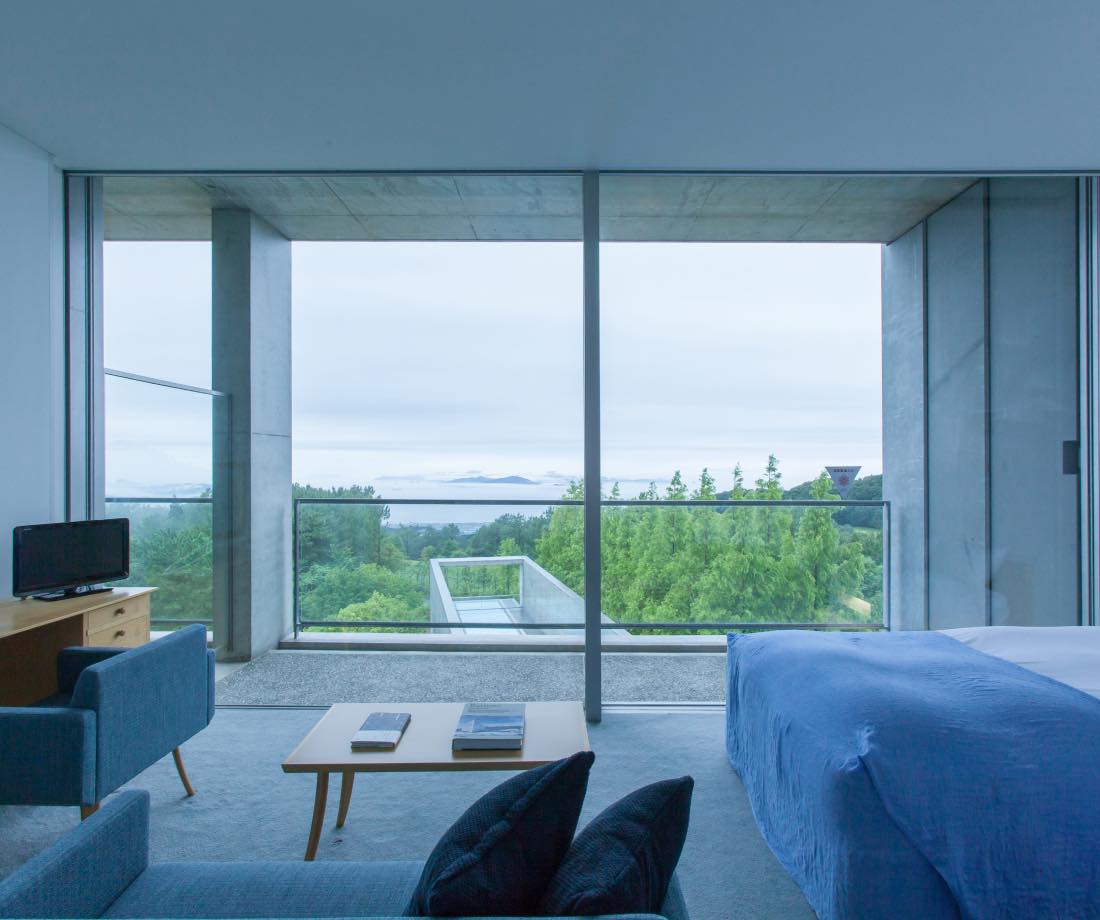
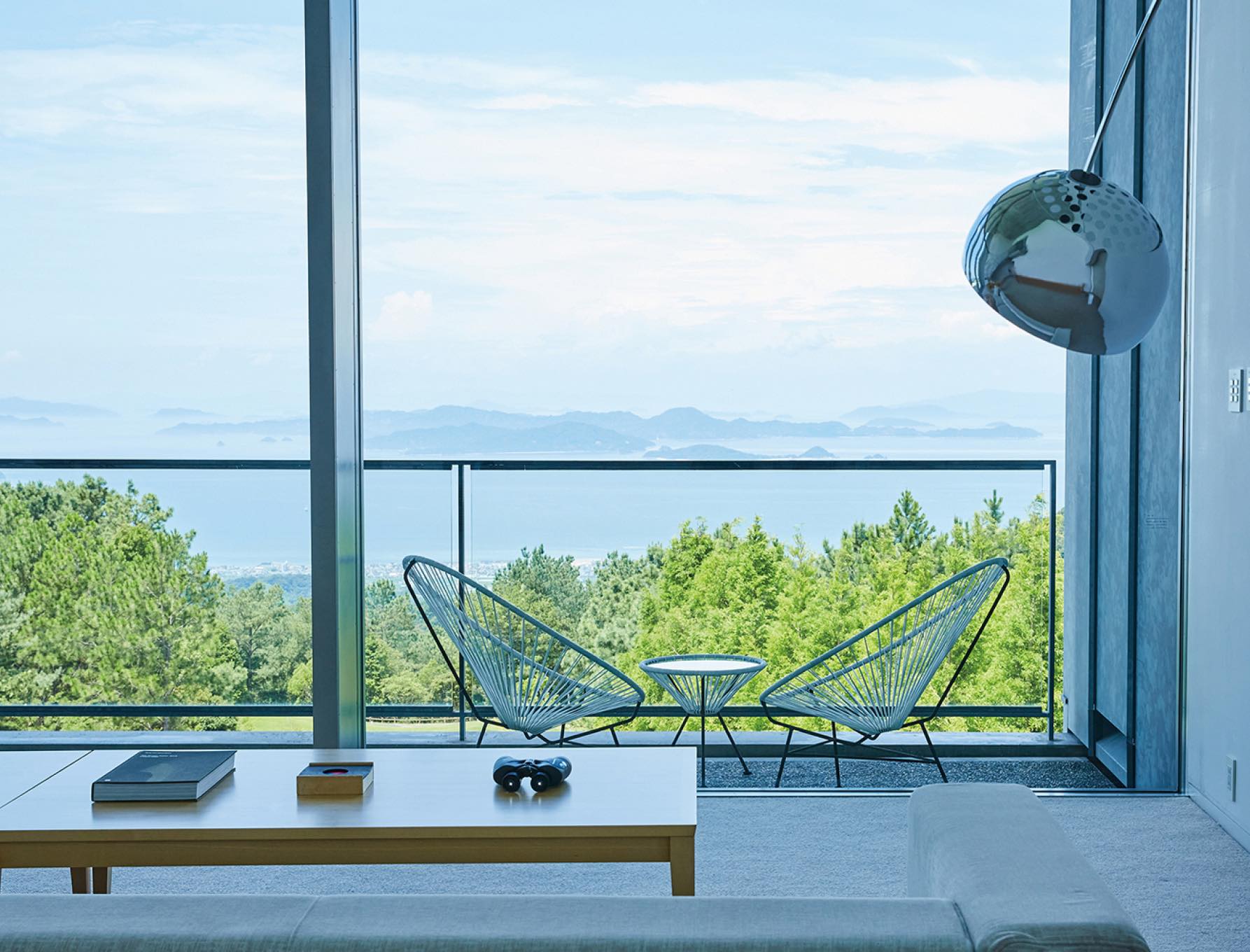
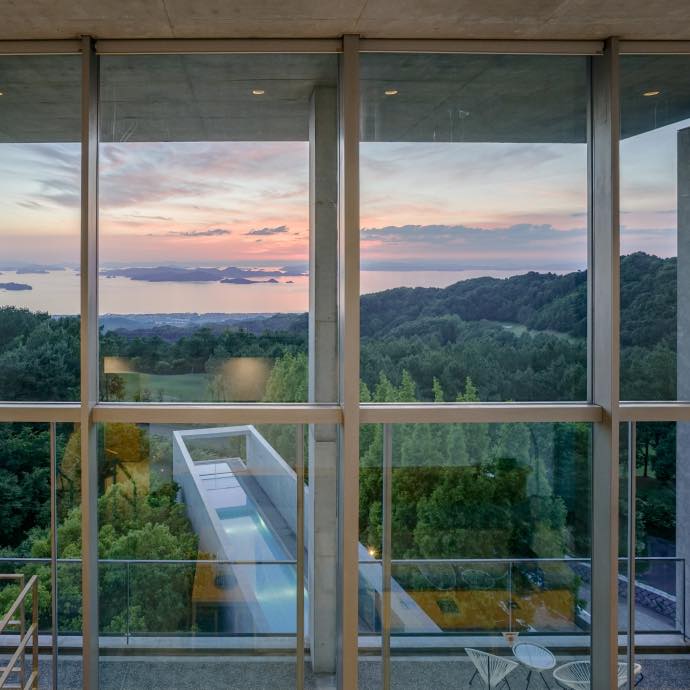
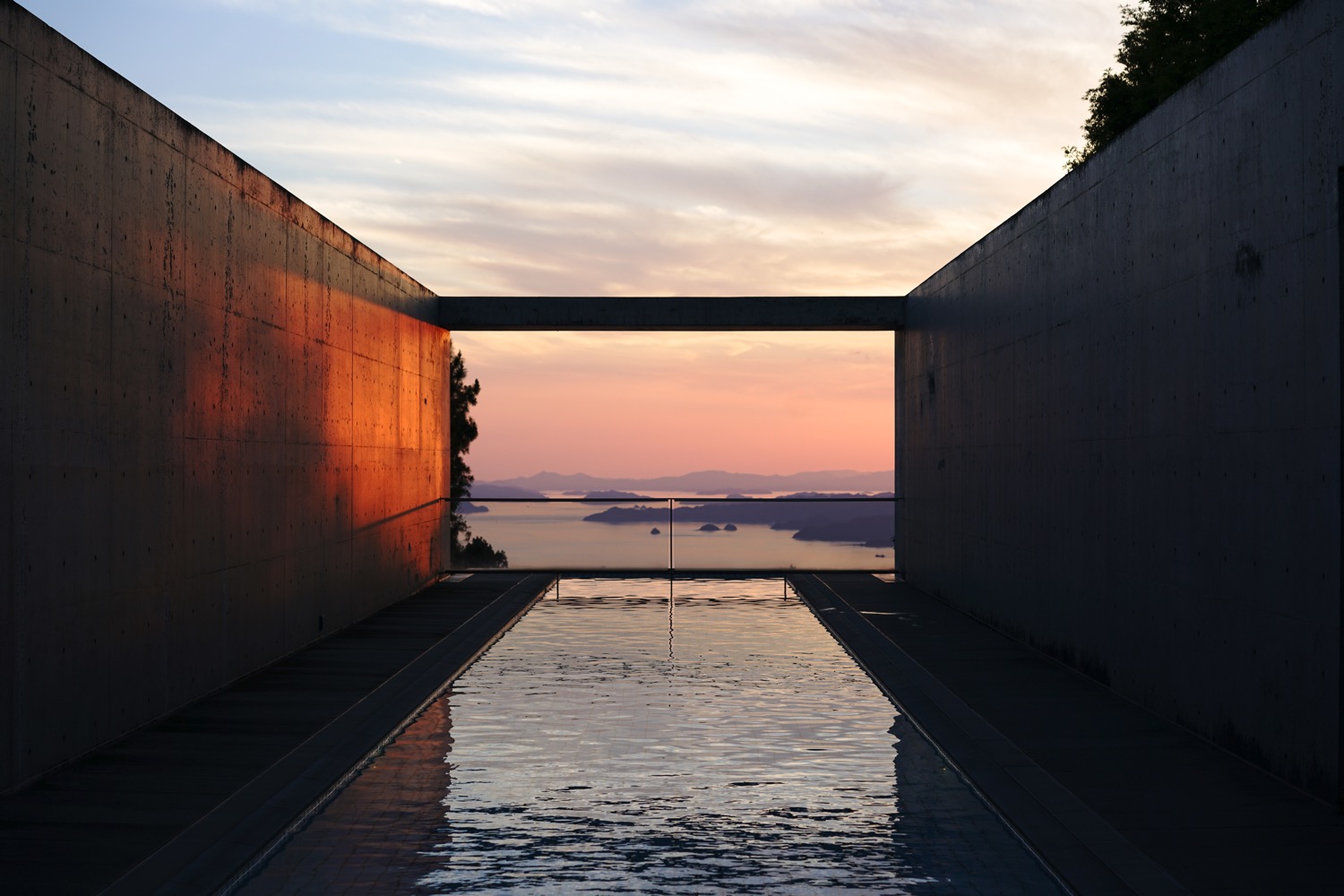
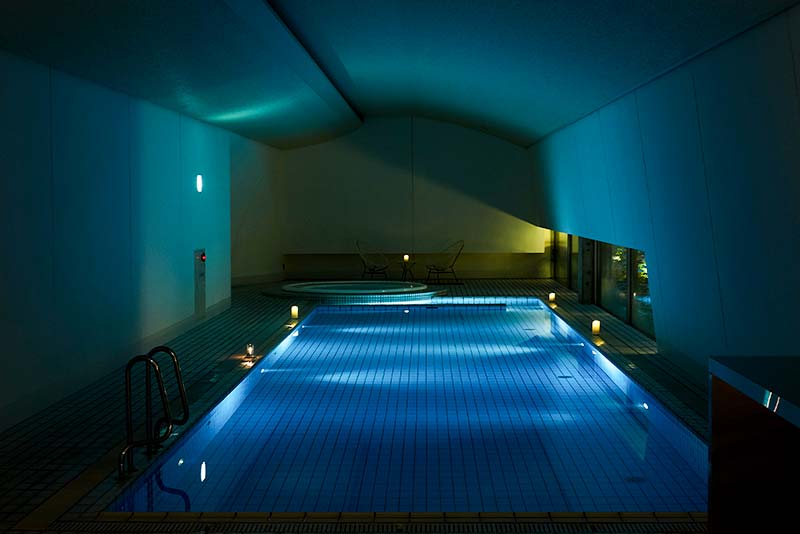
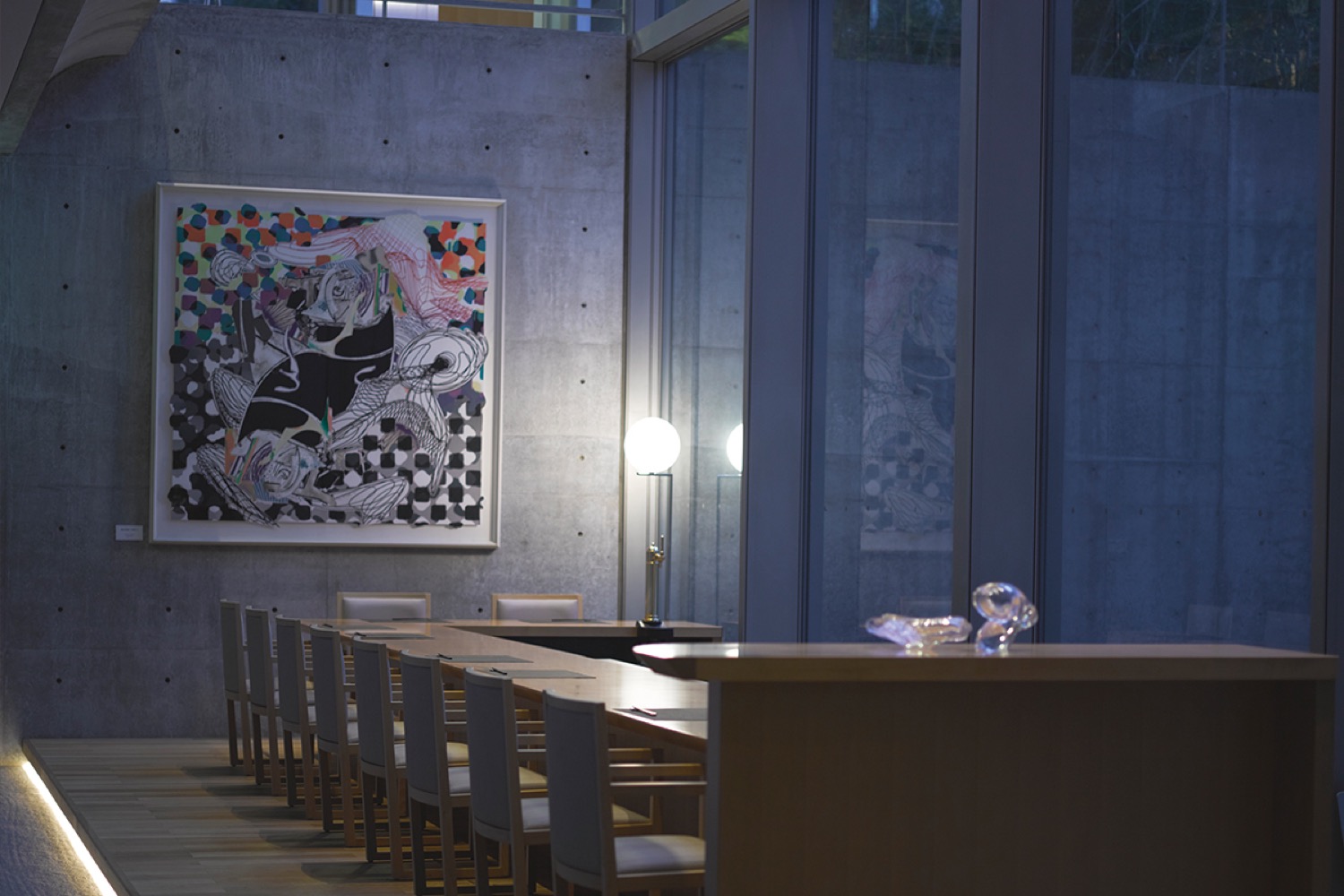
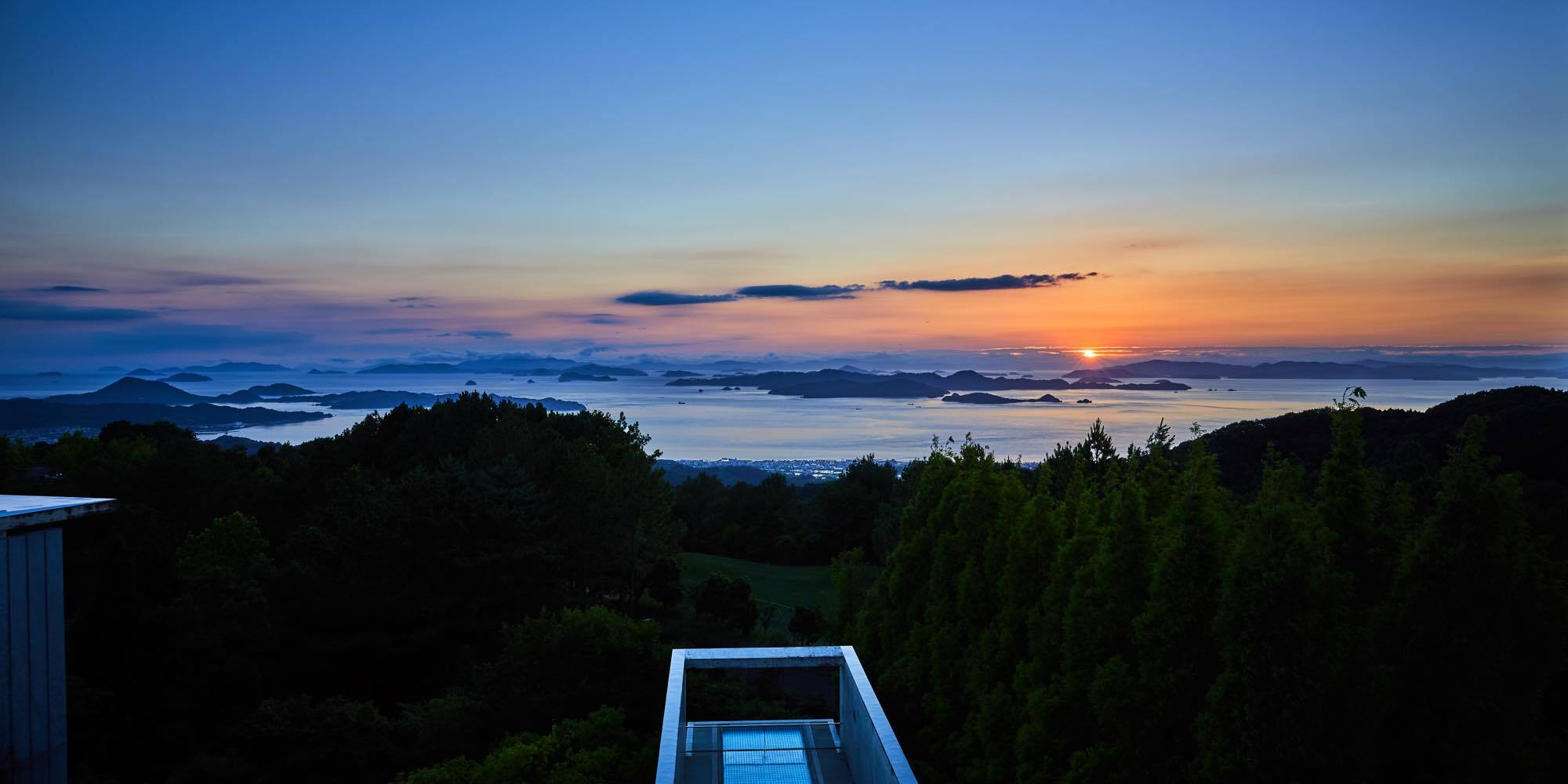
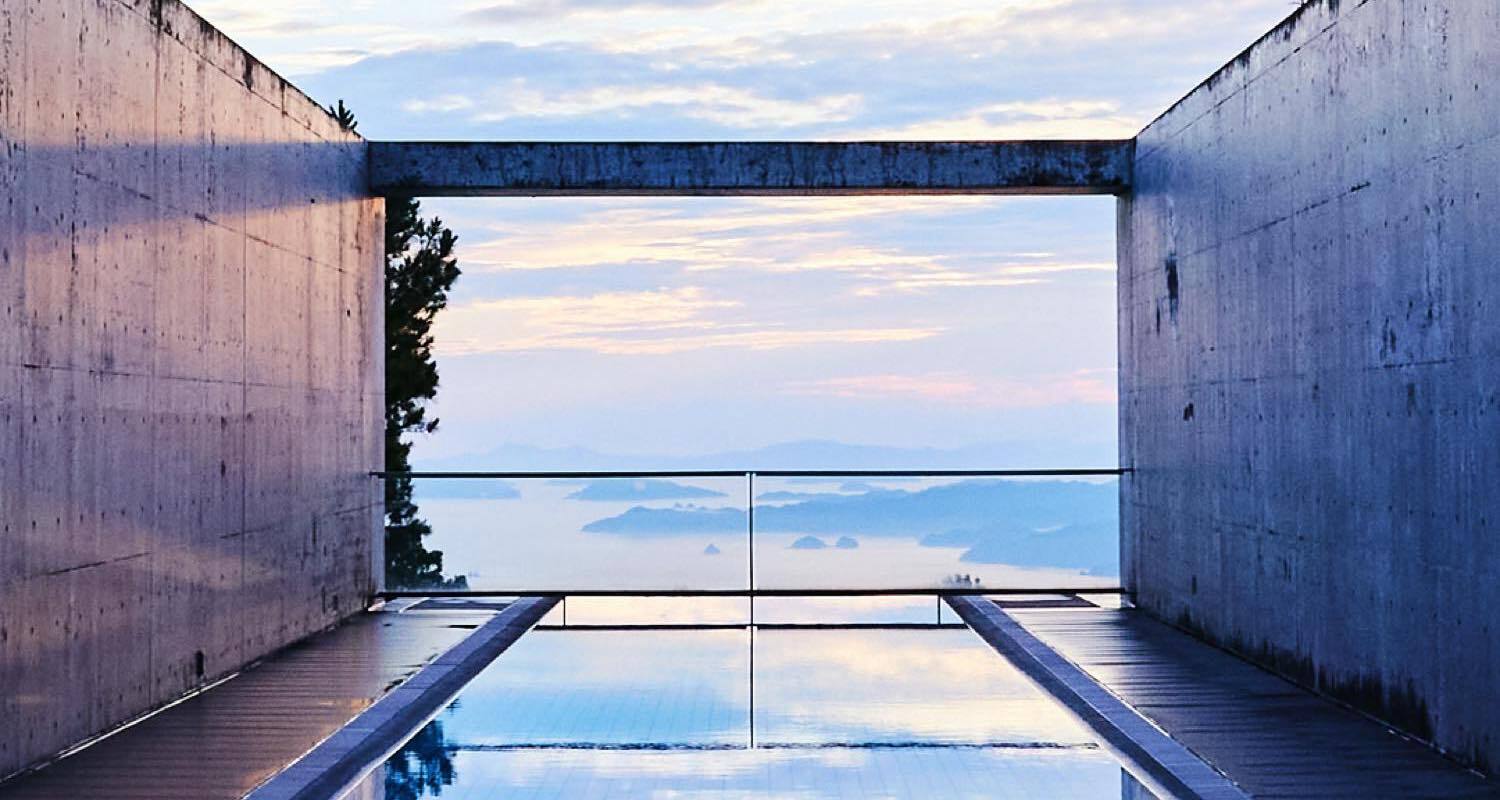
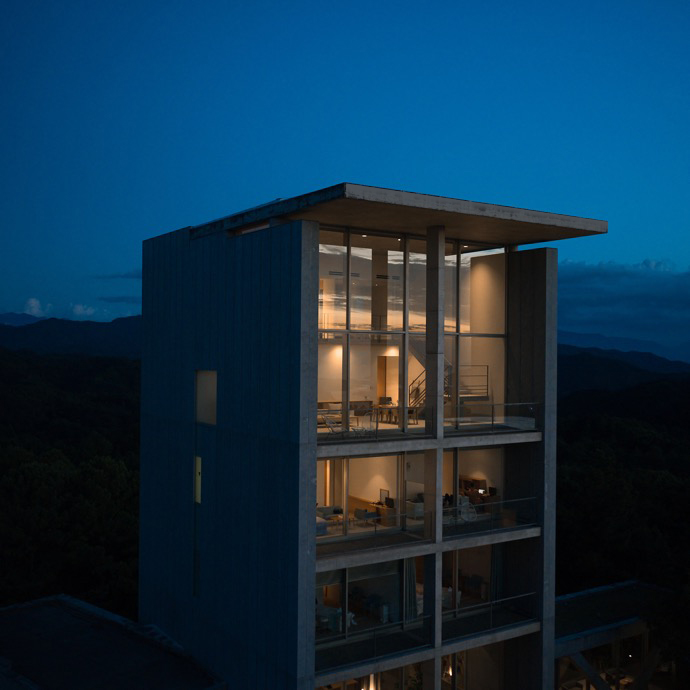
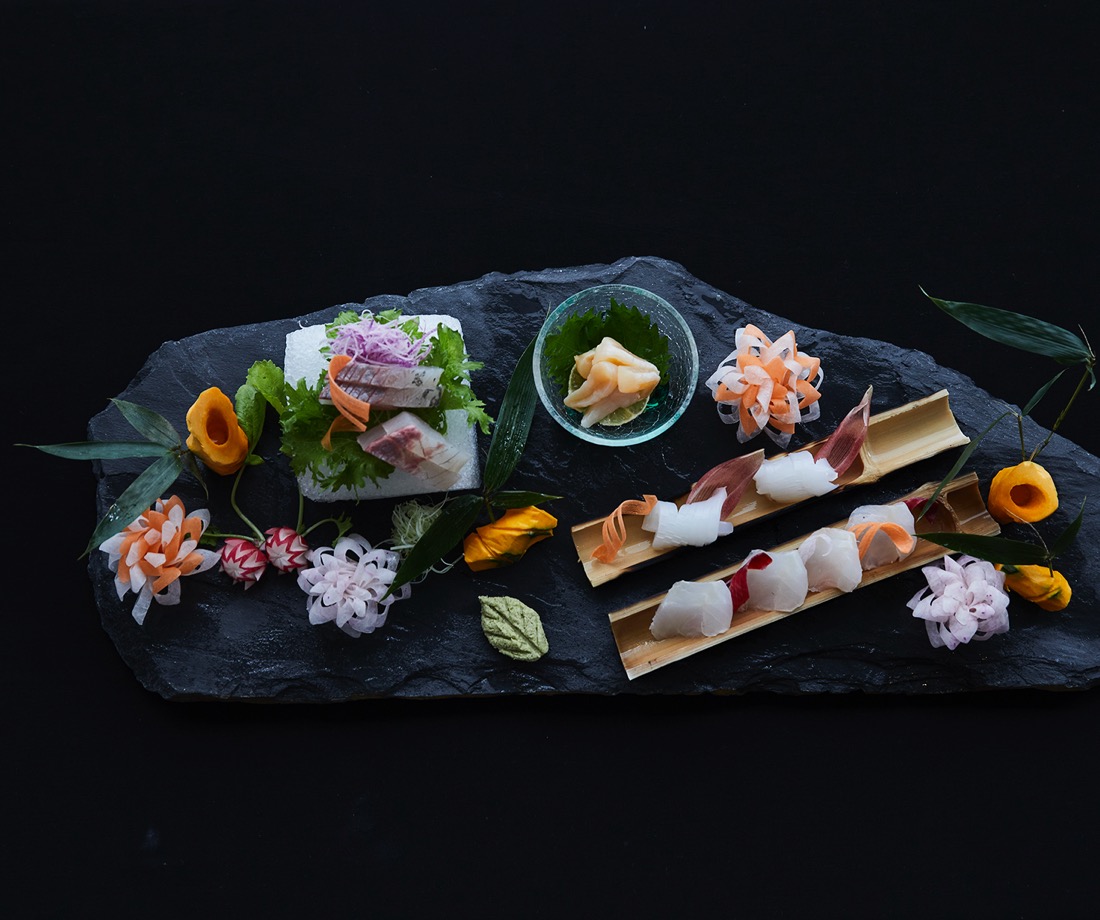
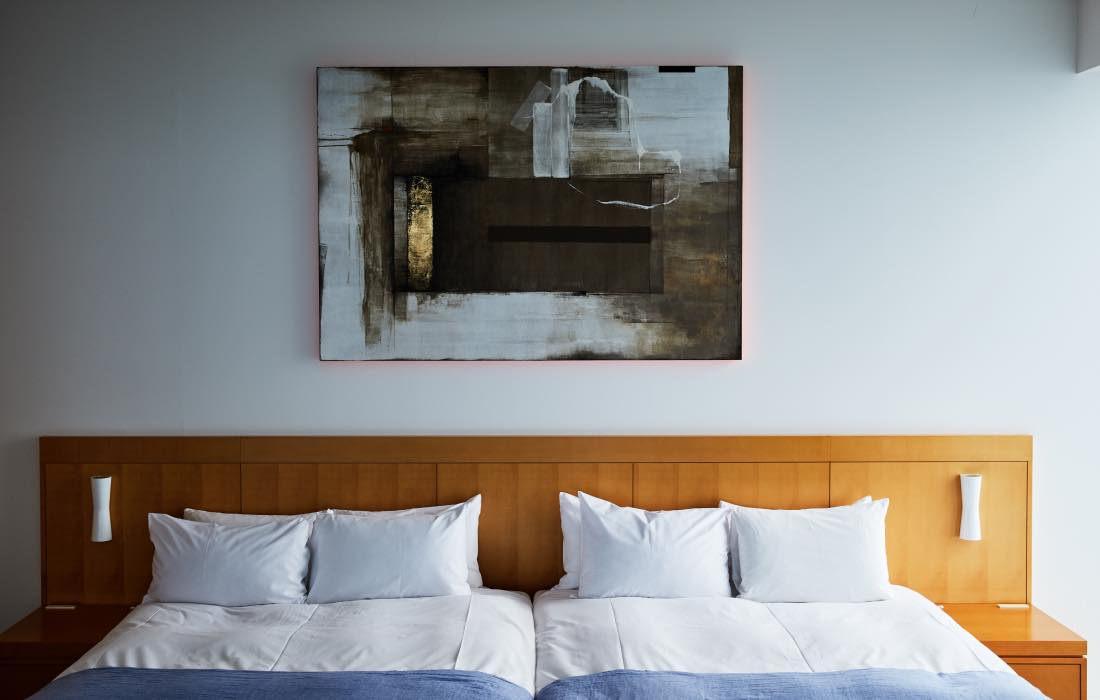
A collaboration of architecture, cascading light, views of the Seto Inland Sea, cuisine, and minimal art by contemporary artists.
Art is one of the pleasures SETOUCHI RETREAT AONAGI can offer.
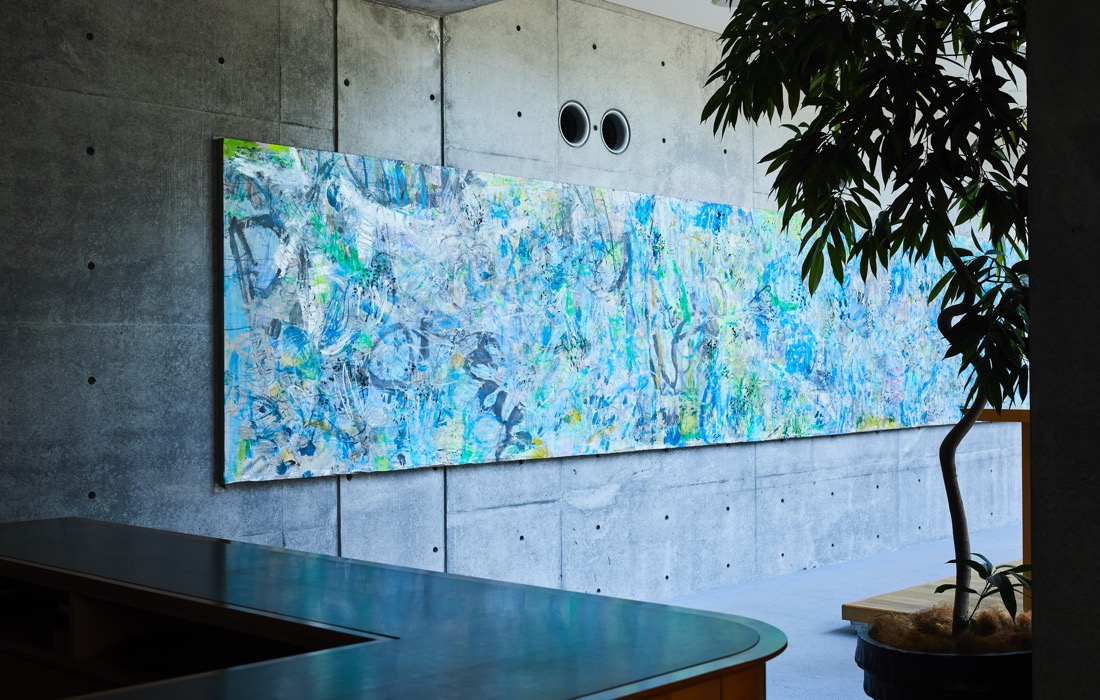
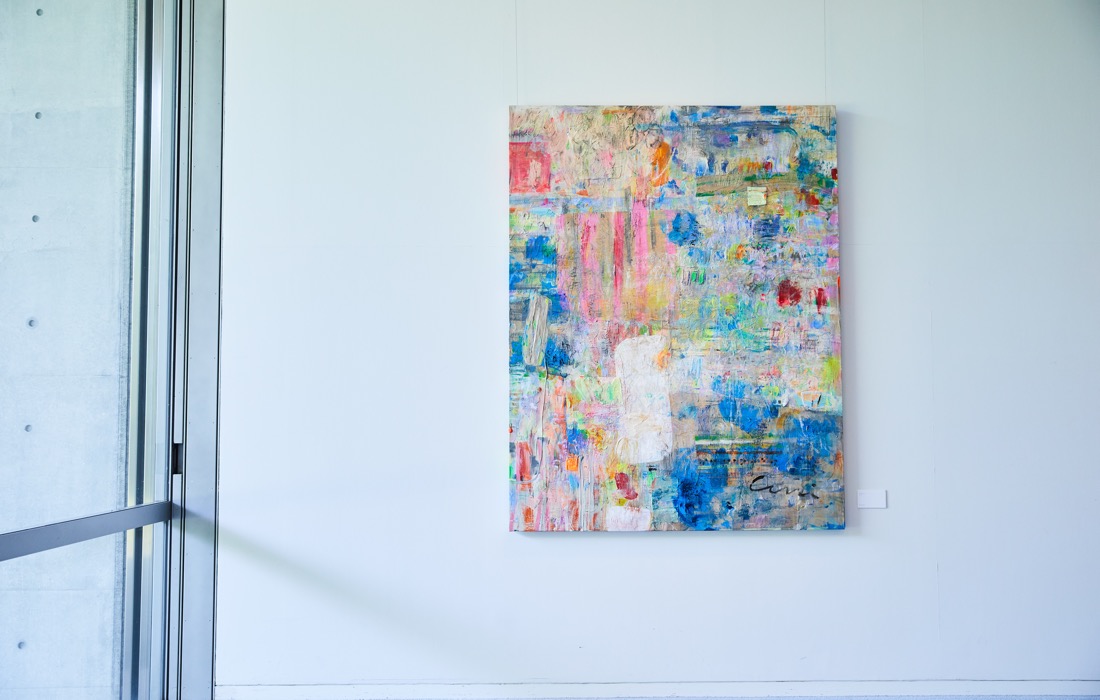
Emi, nature painter (Shizengaka Emi)
Born in Ehime Prefecture in 1982. After graduating from a beauty school, she worked as a beauty consultant at a department store, and along the way also served as a part-time pastel painting instructor at a beauty school. While working at the department store, she began drawing people, insects, trees, and the things that dwell within them. Since 2021, she has held solo exhibitions across Ehime Prefecture. Starting with oil painting, she has expanded her creative range by incorporating materials such as acrylics and crayons. Since childhood, she has sensed an invisible world and learned that nature is filled with many kinds of energy. By depicting things that cannot be seen with the naked eye, she hopes to convey the preciousness of what is inherently there, and her wish for coexistence with nature.
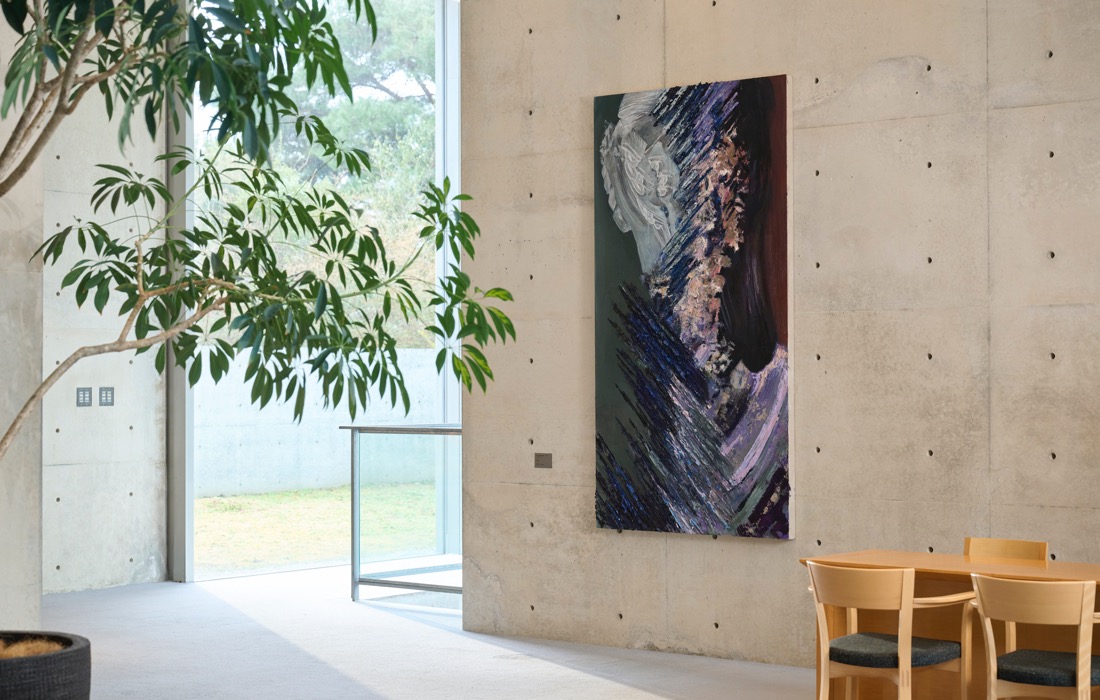
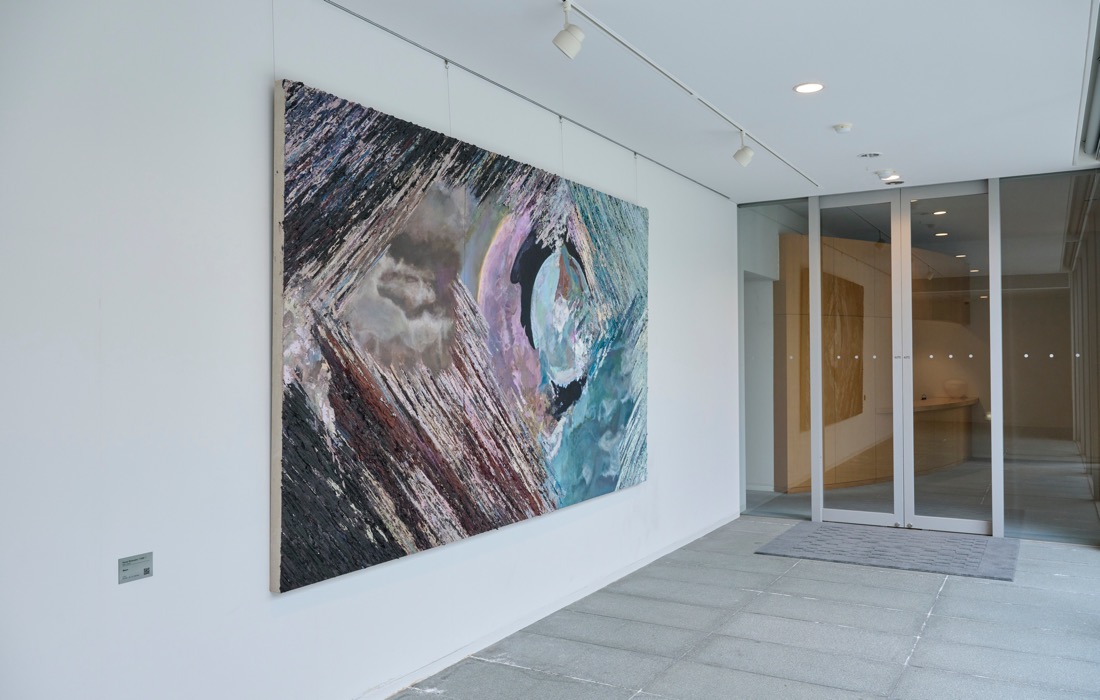
Ryota Watanabe (Watanabe Ryota)
After completing his master’s program at Tokyo University of the Arts in 2023, he has been presenting his work from his base in Tokyo. On a single canvas, he combines the pure act of painting with a brush and an act of destruction—placing paint and scraping it away using tools such as cutter knives he has made himself—creating works while leaving those traces on the surface. Drawing on the existentialism of artists such as Lucian Freud, whose works exude the vividness and richness of brushstrokes, and Alberto Giacometti, who stripped away elements to approach essence, he translates these influences into a contemporary approach, challenging the renewal of painting history through a technique that resonates with cubism.
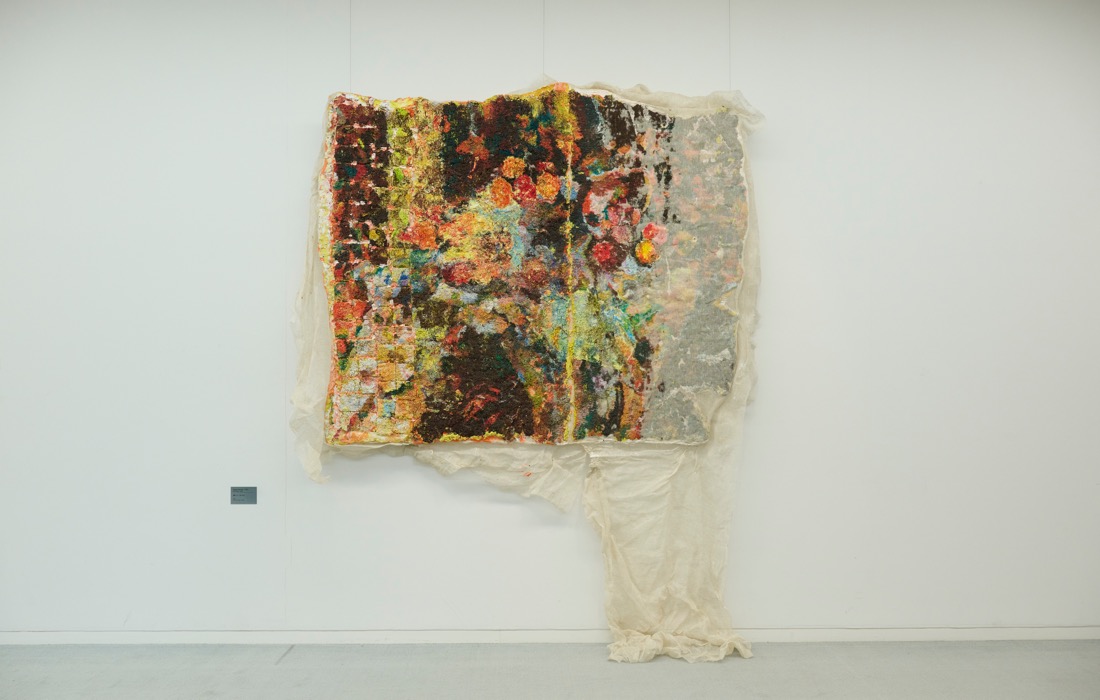
Asami Shioide (Shioide Asami)
She creates her works by pressing wire mesh or coarse linen against still lifes painted thickly with oil and acrylic paints, using the paint that rises to the surface as a result to complete the piece. Shioide’s works, composed through the unevenness of the paint, overturn the notion that painting is flat and two-dimensional, and challenge a new 2.5-dimensional pictorial expression and an expansion of the field.
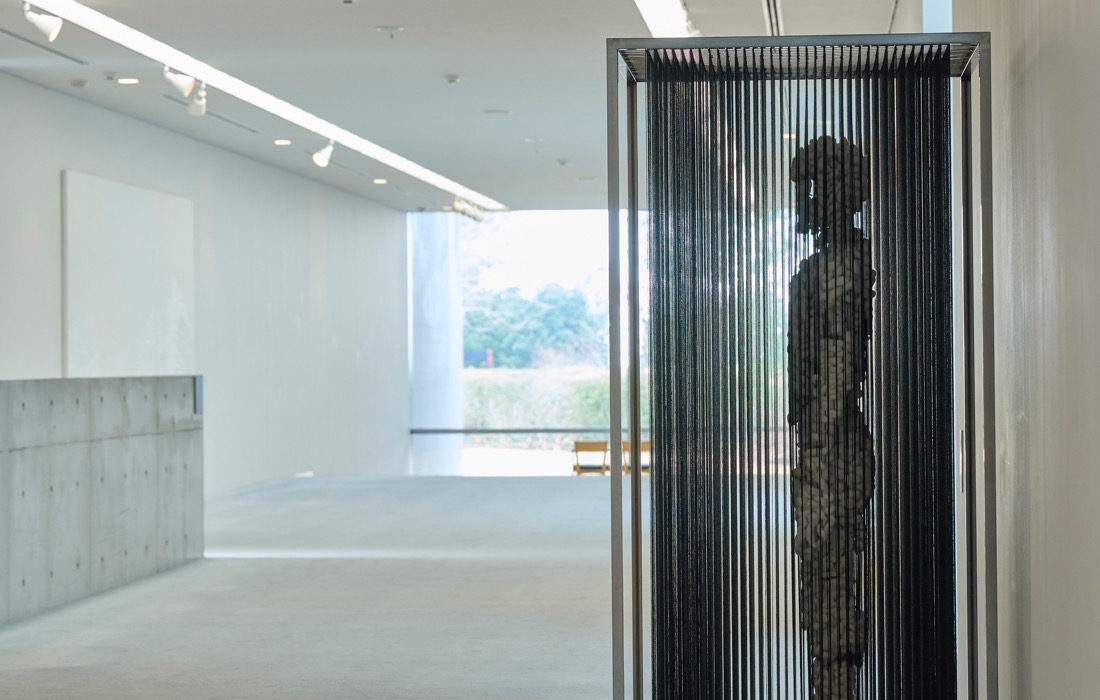
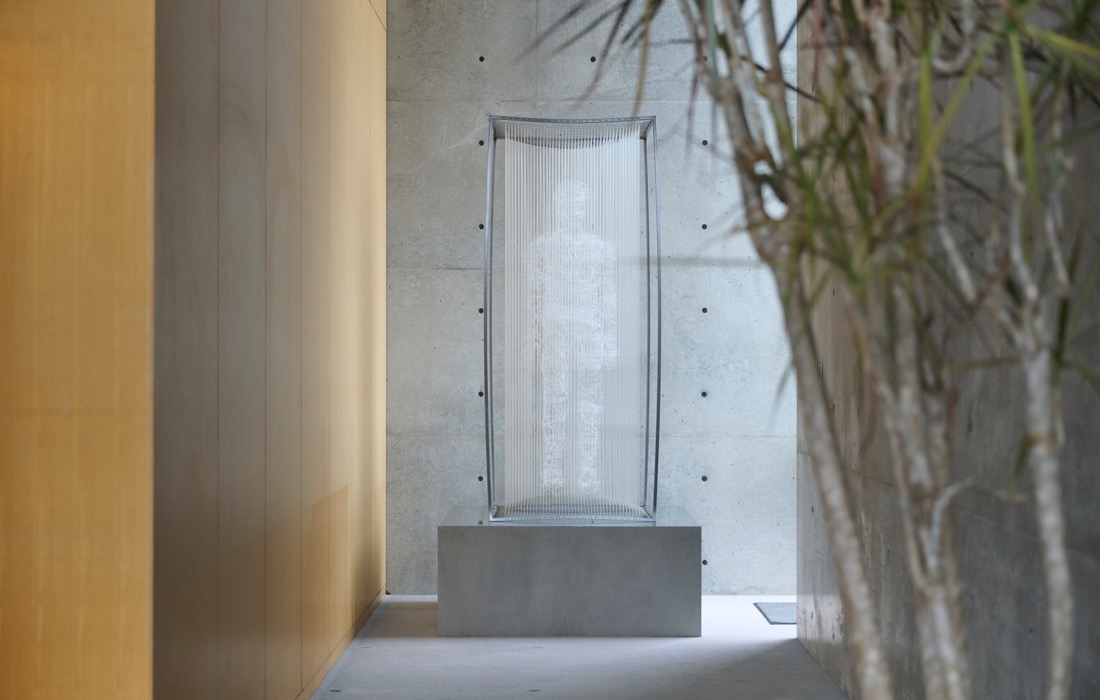
Aiku Kurotaki (Kurotaki Aiku)
Inspired by the sculptural forms of woven textiles, where intersecting fibers create three-dimensional structures, he produces sculptural works by hand using combinations of warp and weft threads. In his signature “Human” series, countless warp and weft threads are arranged within an empty iron box, with a human figure placed inside. By confining the human within a frame composed of regular thread lines, he brings into relief the patterned nature of contemporary society and human thought. Through his work, he seeks to reveal the emptiness of modern society and the human perspective as he perceives it, and to guide people toward liberation from algorithms.
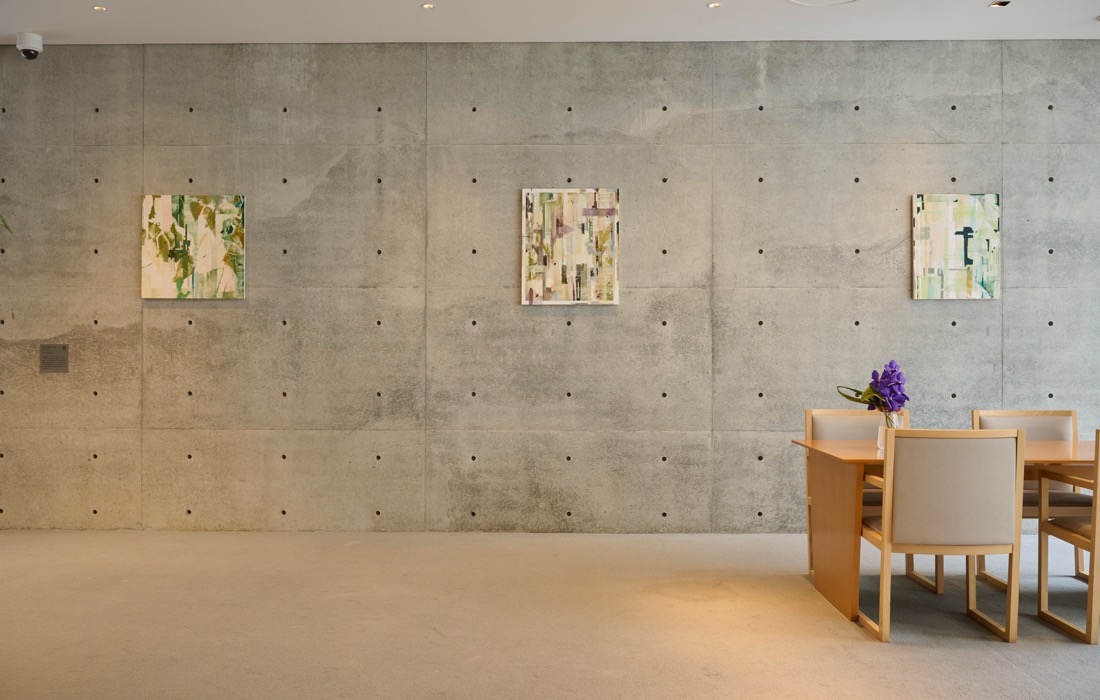
Miyuki Inagaki (Inagaki Miyuki)
After earning a PhD in Oil Painting from the Graduate School of Fine Arts at Tokyo University of the Arts, she has been creating and presenting her work from her base in Tokyo. Guided by the question, “What did the world look like?”, she periodically observes the small ecosystems nurtured by familiar living environments—such as homes and gardens—as well as nature, plants, and animals. By doing so, she gathers the memories and sensations contained within subjects and places, and through the act of painting continues to question the places we live and the landscapes that extend beyond them. Her fluid, multi-perspective body of work complements one another to create an exhibition space, transforming the white cube into a one-of-a-kind “garden.”
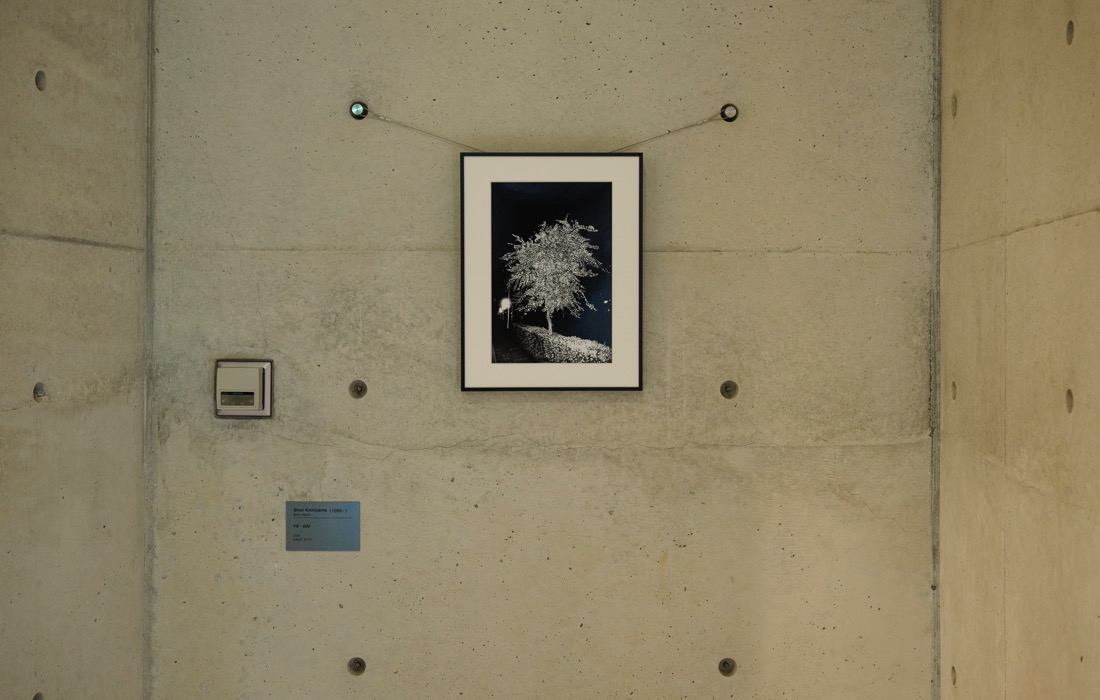
Shun Komiyama (Komiyama Shun)
A photographer and artist from Yokohama, Kanagawa Prefecture. Pursuing the essence of photography as “recording one’s perspective on real events,” he expresses and constructs a graphical world without relying on computer compositing or other digital manipulation.
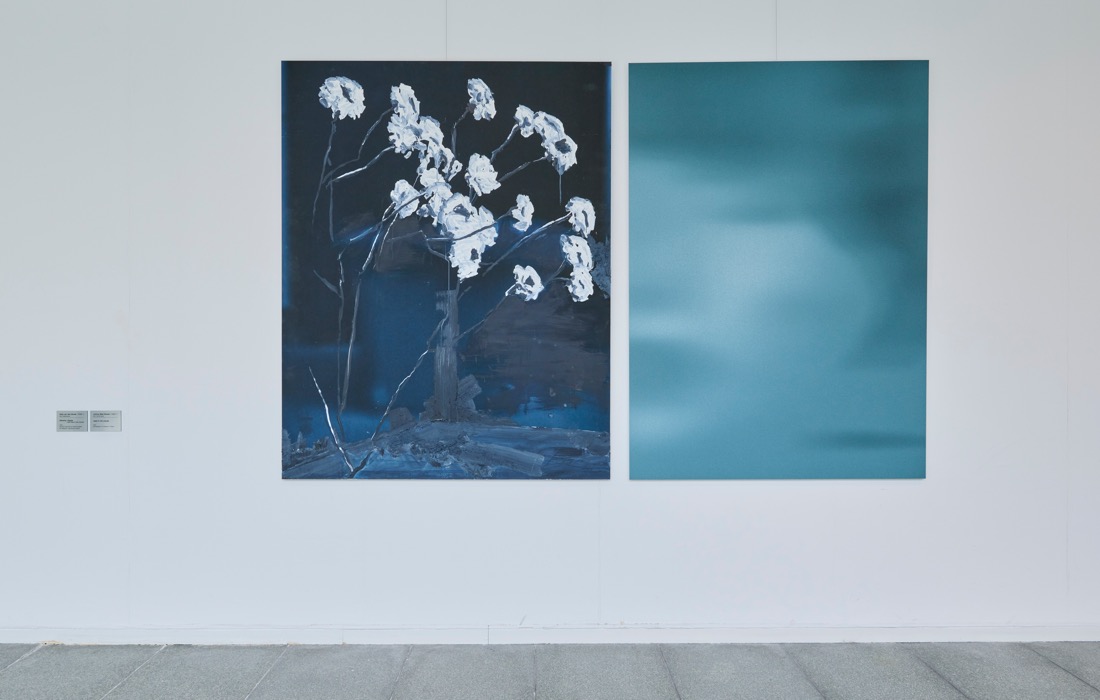
ALDO VAN DEN BROEK (Aldo van den Broek)
(Photo, left) A self-taught artist who creates works that capture the fleeting cycle of collapse, transformation, and regeneration. Influenced by life on the margins of society, he explores the impermanence of social, political, and personal systems, and the resilience that emerges as they fall apart. For him, collapse is not an ending, but a quiet moment of transition in which strength and beauty gently reveal themselves amid ruin. Using timeworn discarded materials such as cardboard, wood, metal, and fabric, he breathes new life into fragments, elevating them into layered, richly textured works. His process of scraping away and building up reflects the cycle of destruction and renewal, with wounded surfaces inscribed with the weight of history and the possibility of rebirth.
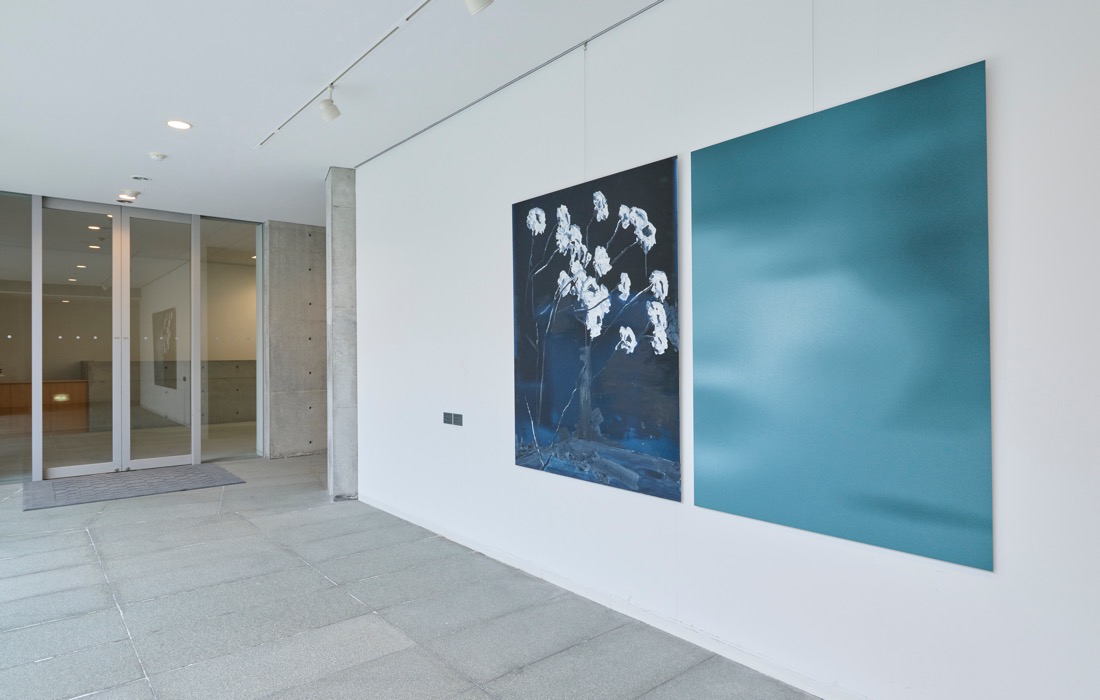
JOHNNY MAE HAUSER (Johnny Mae Hauser)
(Photo, right) A Netherlands-based artist known for delicately capturing the ambiguous presence of human emotion. A quiet stillness resides in her work—beyond what words can hold—while soft, sometimes cool colors heighten her distinctive worldview. Through poetic color and images tinged with anonymity, she weaves together themes of introspection, loneliness, and (emotional) intimacy. The resulting works create a quiet dialogue between the artist’s inner world and the viewer, resonating naturally without imposing anything on the audience.
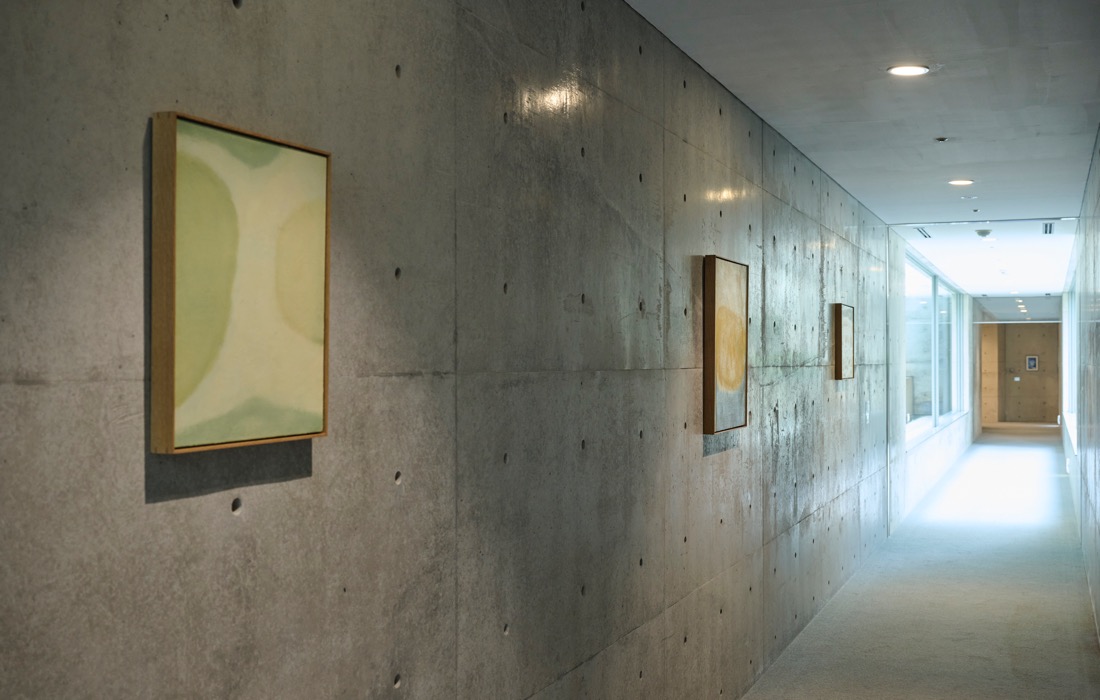
Moe Nakase (Nakase Moe)
Born and raised at the foot of Fujino in Kanagawa Prefecture. With an artist father, she lived from an early age always close to nature. She creates paintings as if to seal away as memories the landscapes, scents, and emotions she has felt through the profound influence of her relationship with nature. Primarily using beeswax, a natural pigment used since ancient times, she began teaching herself encaustic—mixing pigments into melted beeswax—and has since developed it into her own method, presenting her work both in Japan and abroad.
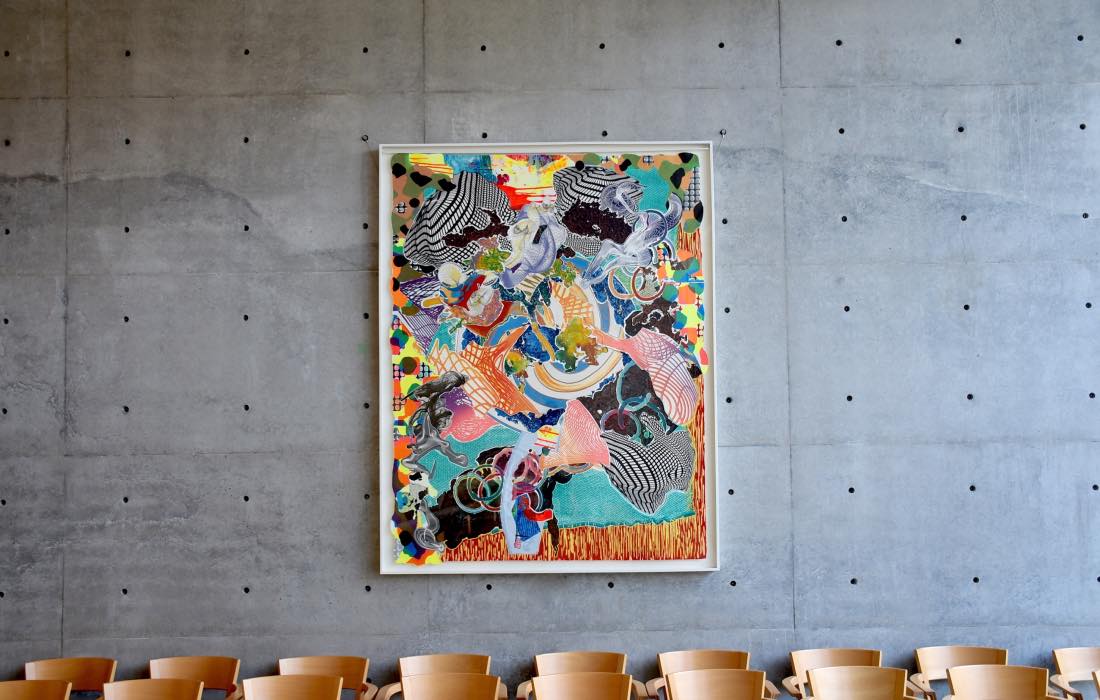
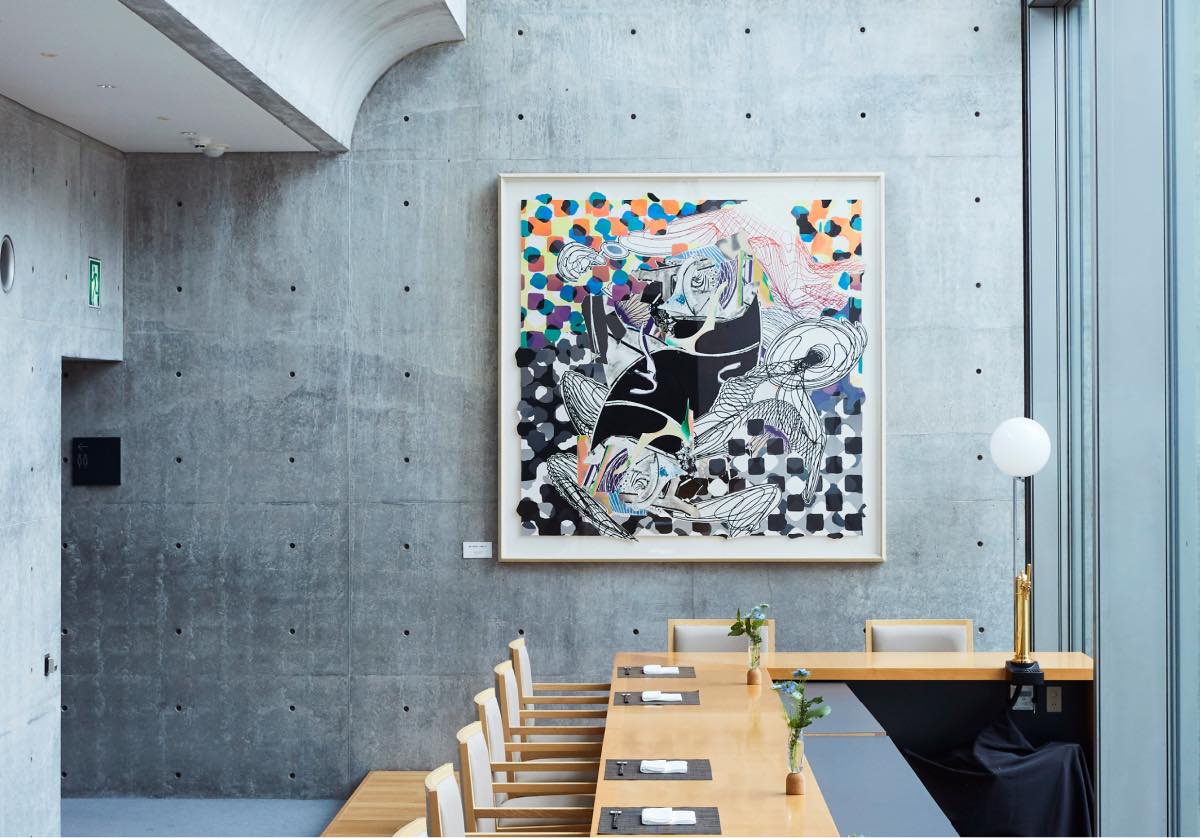
FRANK STELLA (Frank Stella)
Born in Boston on May 12, 1936. One of the leading minimal artists of postwar American abstract painting, he is both a painter and sculptor. Early on, he created symmetrical works such as simple stripes, but from the 1980s onward he produced dynamic works—neither quite painting nor sculpture—featuring varied colors, twisted planes, and forms that burst beyond the two-dimensional frame.
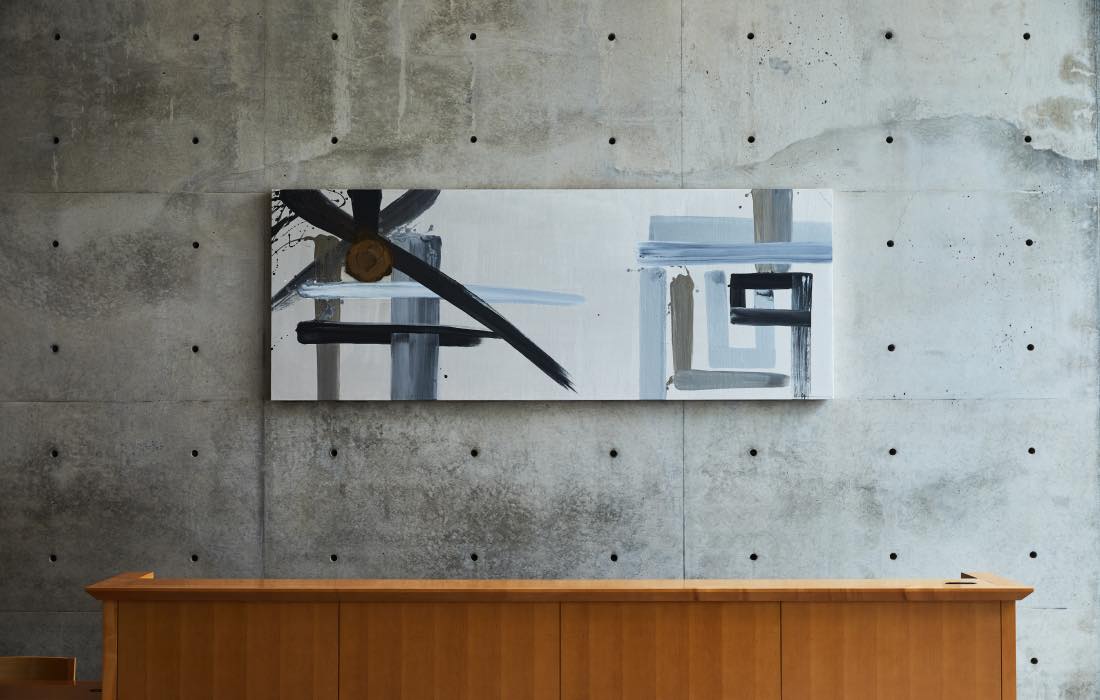
Rieko Kawabe (Kawabe Rieko)
Founder of Nippon Gaigei Club and Nipponya Kobo. Calligrapher and artist. As an educational initiative to share Japanese culture, she runs the membership-based “Nippon Gaigei Club.” Since 1990, she has also operated “Nipponya Kobo,” which supports craftsmanship by Japanese artisans and proposes Japanese materials. In 2004, she established the “Gaigei Japan Cultural Exchange Fund,” developing international exchange activities and workshops for children.
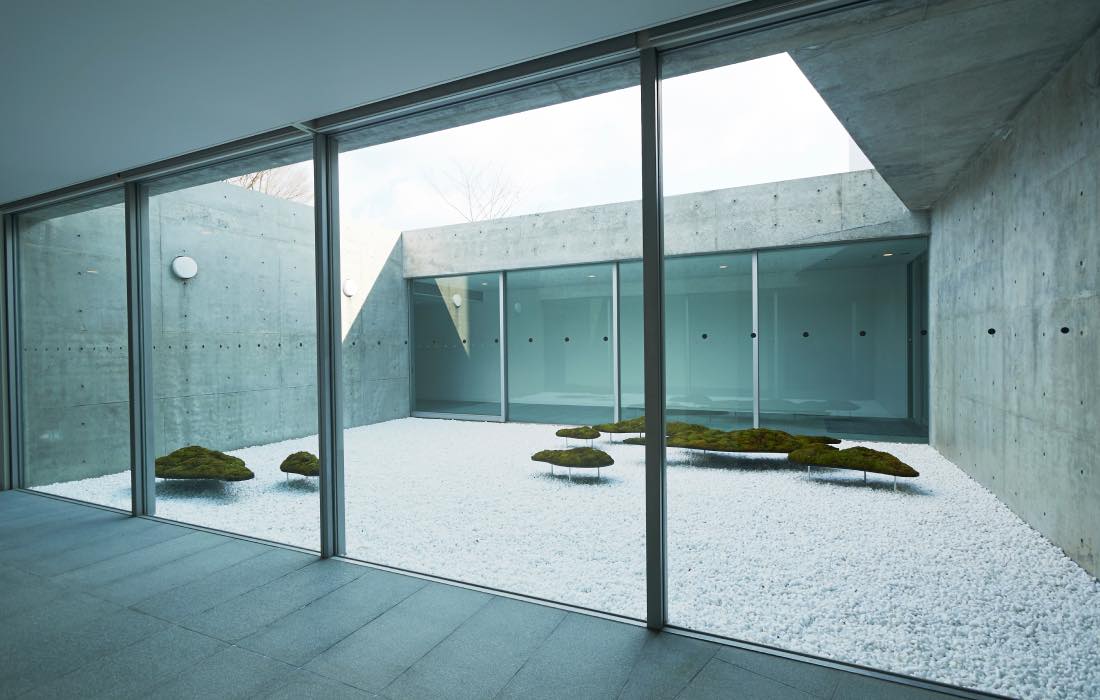
Hifumi Ono Yutaka (Ono Yutaka)
Born in Ehime Prefecture in 1981. Garden designer, plant-space director, and Shodai-shi. He works on gardens, landscapes, mountain restoration, spatial design using plants, and plant art. Grounded in the principles of nature, he creates planting designs that express the mythology and culture of the land, linking homes, gardens, towns, and mountains to continue creating “places” where not only people but other living beings can coexist.
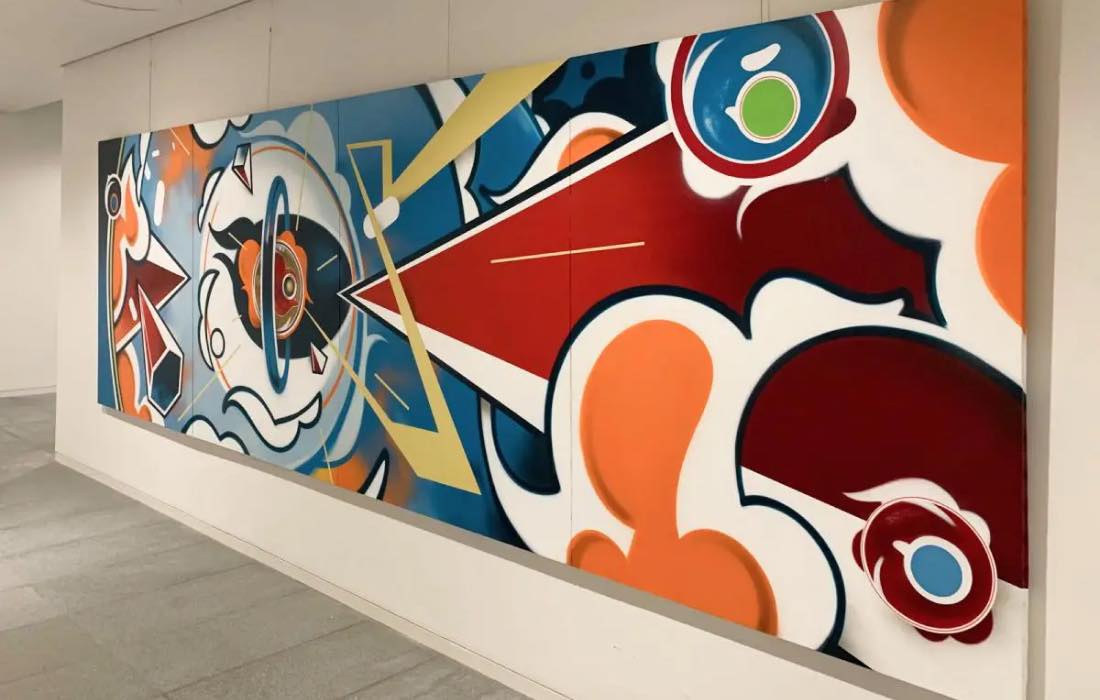
SUIKO (Suiko)
A graffiti artist known for distinctive lettering with a sense of dynamism and vitality influenced by calligraphy. After participating in Japan’s first large-scale graffiti exhibition, “X-COLOR,” in 2005, he expanded his activities and has been invited to more than 10 countries, including the United States, Germany, and France. He is the head of the graffiti shop and art studio “dimlight.”
Maria Mitsumori (Mitsumori Maria)
A Nihonga painter. She also creates pigments from scratch, grinding raw minerals and rocks into fine powder with tools such as a stone mill to make each color. Having spent about half her life overseas, what she seeks to express through her work is a world where diverse things exist as they are, transcending borders. While inheriting Nihonga traditions, she attempts to perceive abstract concepts that cannot be seen physically—such as time and emotion—in higher dimensions and make them visible.
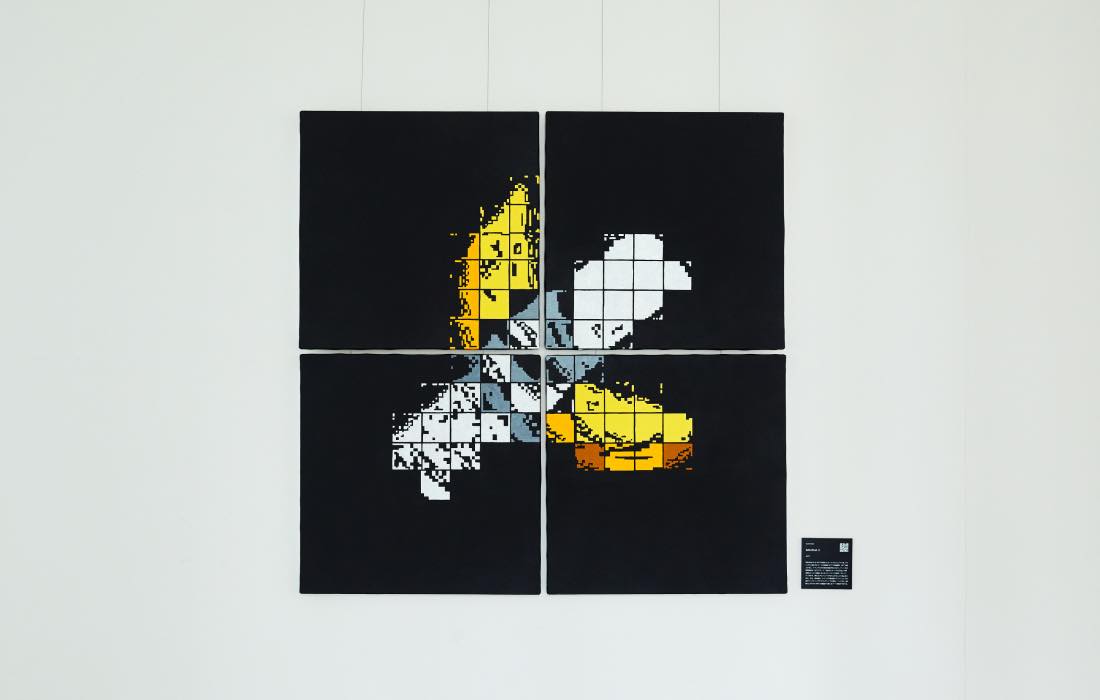
tsumichara (Tsumichara)
The subject of the NFT-based art project “BANANA X” is “Comedian,” the banana taped to a wall at Art Basel Miami in 2019. The work was inspired by the fact that this “banana taped to a wall” sold for $6.2 million. Overlaying today’s NFT movement with “Comedian,” it is designed so that people can participate as stakeholders through NFTs.
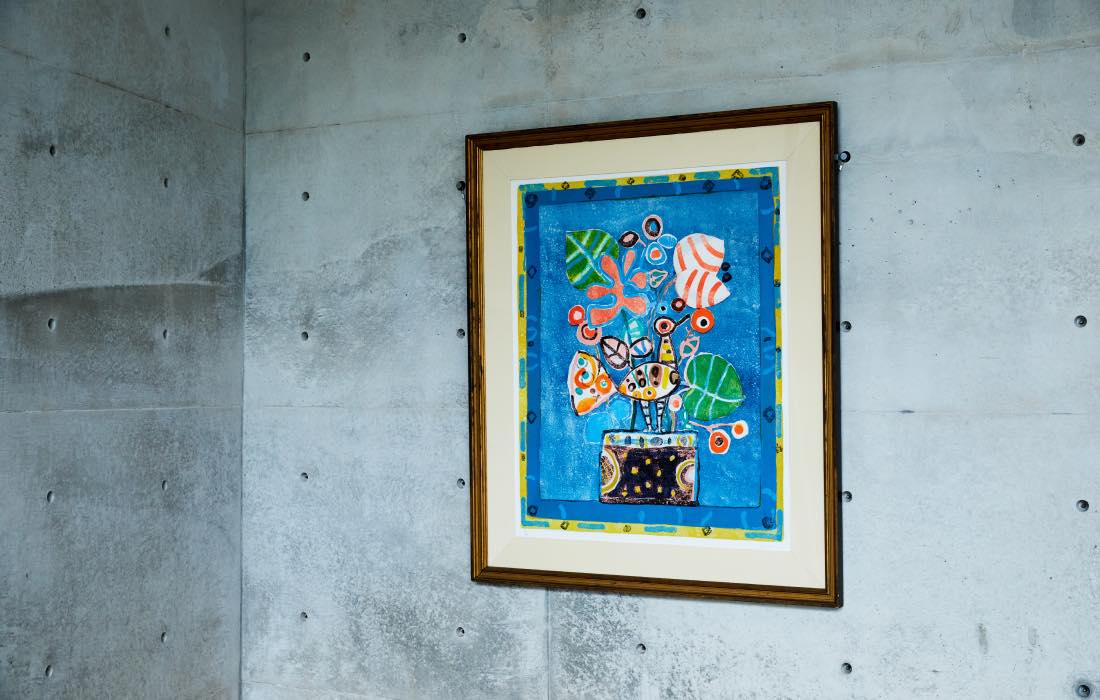
PAUL AÏZPIRI (Paul Aïzpiri)
A French Western-style painter born in Paris. After holding his first solo exhibition in Paris in 1943, he built a career as a figurative painter and in 1945 became a founding member of the Salon de Jeune Peinture (Young Painting Salon). Known for his light touch and preference for vivid colors, he is beloved for his lithographs of still lifes, landscapes, and figures.
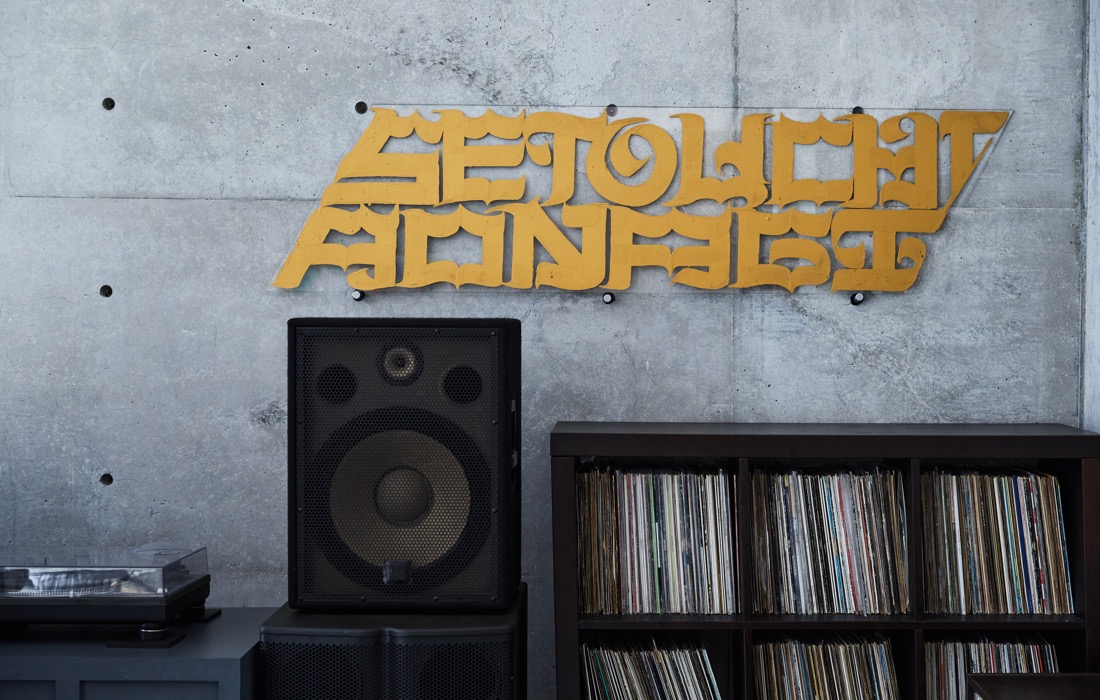
CASPER (Casper)
An Osaka-born artist who began creating graffiti art in 1996. In 2013, he was selected as an invited artist for the RED BULL-sponsored “Amerikamura Streetlight Art Project.” Since 2000, he has run Sanei ART Kobo and started design work. He participated in FENDI’s “F IS FOR FENDI” project and, for a MONSTER ENERGY initiative, joined the X GAMES Aspen mural art project for snowboard medalist Ayumu Hirano.